
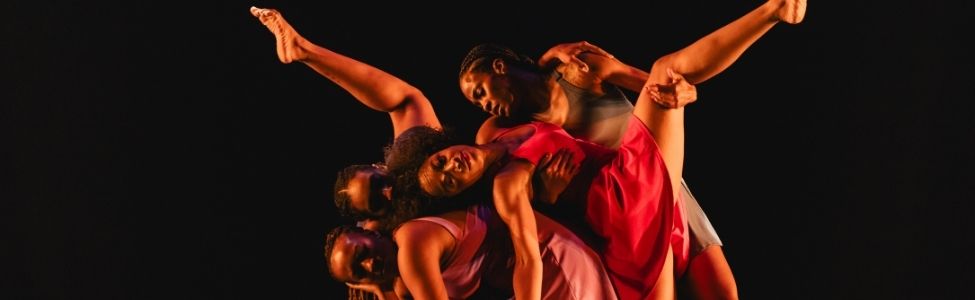
Saturday, Aug. 29, 2026 | CHICAGO
Some histories are kept in books, photographs and carefully labeled boxes. Others are carried in the body, remembered in the bend of a back, the strike of a foot against the floor, the rise of a voice or a melody capable of making generations recognize one another without introduction.
At the Harris Theater for Music and Dance on Saturday, the Chicago Black Dance Legacy Project gave that kind of history a stage. Dancing the Archive: Embodied Histories, Collective Power brought together 10 Black dance organizations to interpret the lives, contributions and cultural fingerprints of people who have helped shape Chicago. What unfolded over the evening was more than a dance concert. It was remembrance set to rhythm, with history moving through bodies instead of remaining confined to the page.
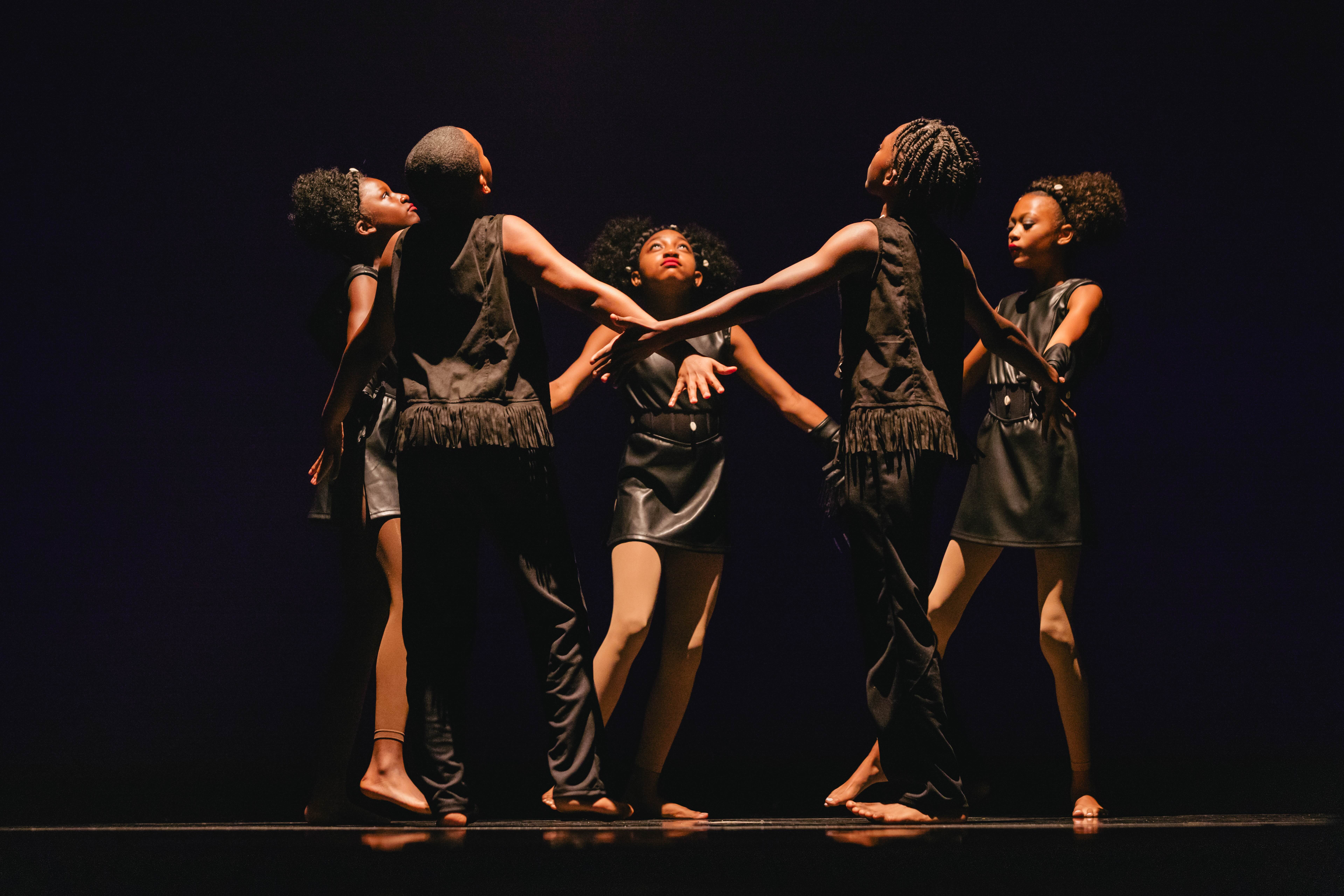
Part of what makes dance one of the most powerful creative forms is its ability to engage so many senses at once. Throughout Dancing the Archive, choreography was only one part of the storytelling. Music emerged almost as a secondary character, sometimes guiding the dancers and at other moments seeming to answer them. The spacing of bodies across the stage communicated community, isolation, struggle and belonging, while the wardrobe helped transport the audience through different periods, traditions and cultural memories. Together, sound, movement, light, clothing and space gave the evening a historical depth that could be felt as much as understood.
The production traveled through chapters titled Record Keepers, Stewardship, Wordsmiths, Moral Courage, Sound, Voice, Space Makers, Cultural Allies, Cultural Memory and Transmission. Each was paired with a Legacy Bearer whose work represented something larger than individual accomplishment. Together, they formed a cultural map tracing how Black Chicago has documented itself, fought for itself, invested in itself, created for itself and made room for the generations coming behind it.
Dr. Carol Adams was honored as a Record Keeper, a fitting designation for someone whose career has been intertwined with the preservation and advancement of Black arts and culture in Chicago. Adams is also a previous Chicago News Weekly cover feature, where CNW explored the breadth of her influence and decades of work across the city’s cultural institutions. Readers can revisit her story in the April 17, 2025 edition of Chicago News Weekly.
Chance the Rapper represented Stewardship, while Ida B. Wells stood at the center of Wordsmiths. James and Pauline Montgomery were recognized through Moral Courage, Curtis Mayfield and Lupe Fiasco through Sound, Runako Jahi through Voice and Black Ensemble Theater founder Jackie Taylor through Space Makers. Pamela Crutchfield was honored as a Cultural Ally, Najwa I through Cultural Memory and Anthony Brown through Transmission.
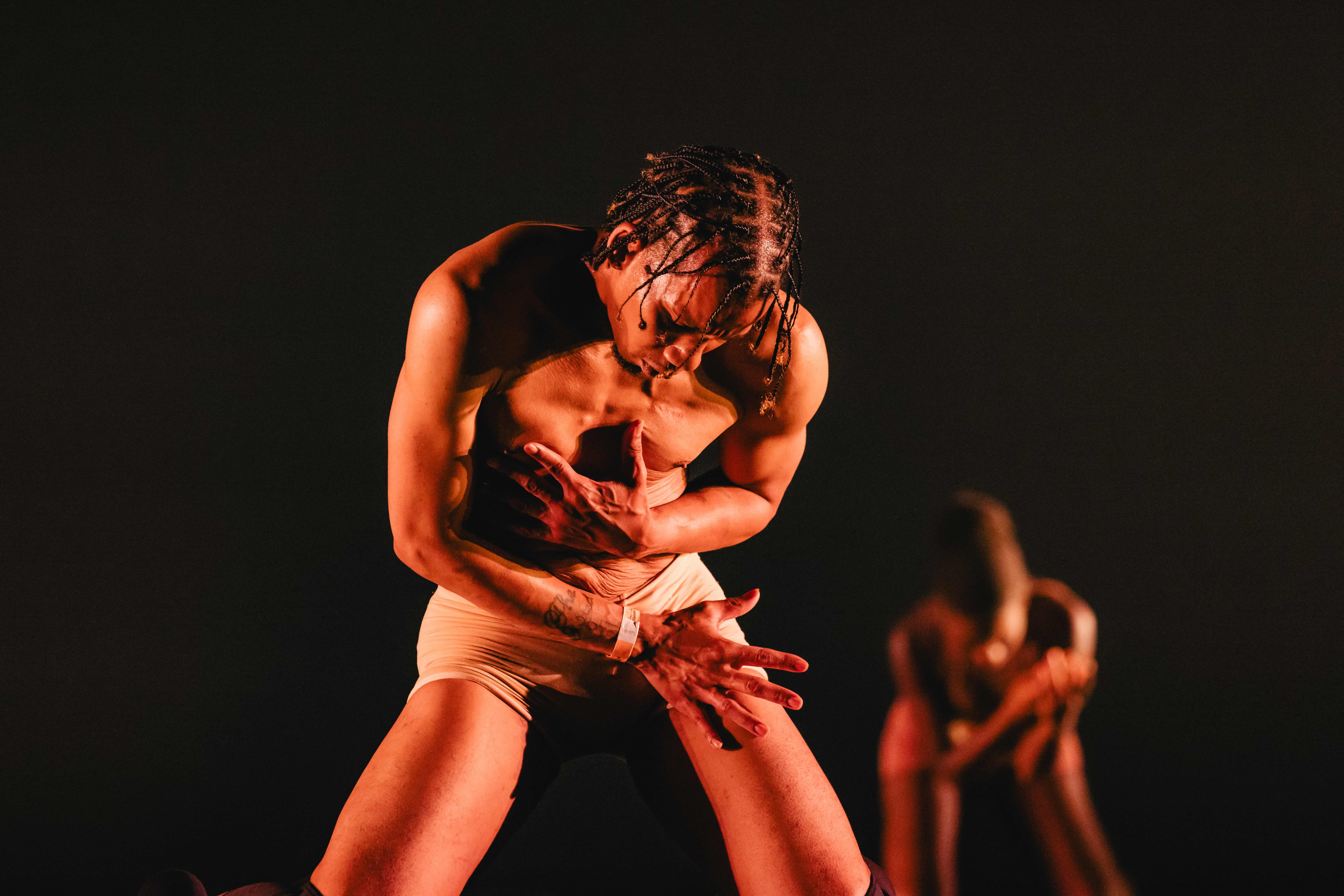
What made the evening particularly effective was that none of these names were treated as museum pieces. Their histories were placed in the hands, feet, shoulders, voices and imaginations of living artists, allowing one generation to interpret another rather than simply recite what had already been accomplished.
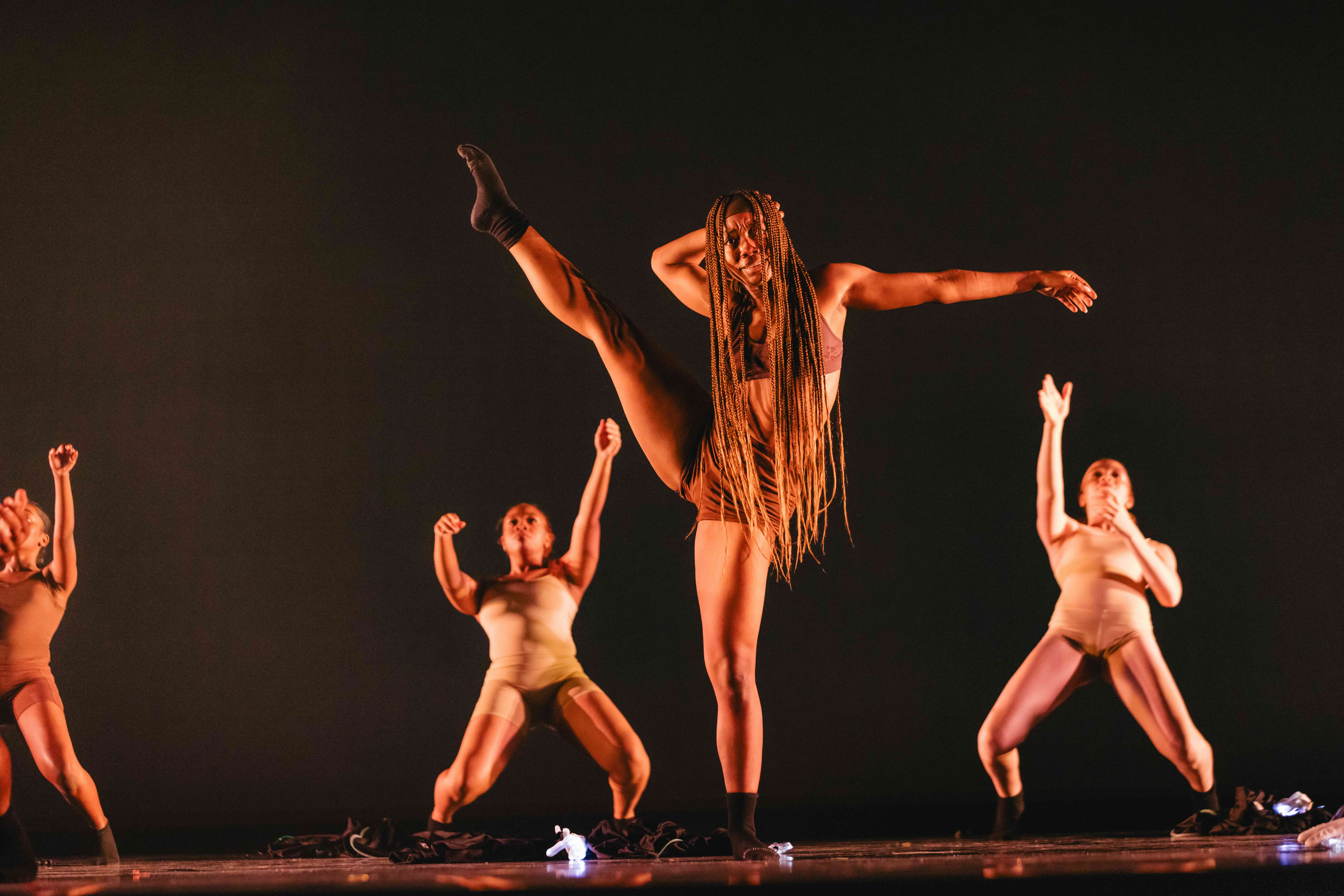
Muntu Dance Theatre of Chicago, Deeply Rooted Dance Theater, M.A.D.D. Rhythms, Move Me Soul, Joel Hall Dancers, Praize Productions Inc., the Chicago Multicultural Dance Center and Hiplet Ballerinas, Najwa Dance Corps, Forward Momentum Chicago and The Era Footwork Collective moved through traditions ranging from African dance and ballet to tap, contemporary movement, hip-hop and Chicago footwork. The forms shifted, sometimes dramatically, but the thread remained intact. Black cultural memory does not stand still.
I attended with my daughter and her best friend, which added another layer to a program so concerned with inheritance and transmission. Here were two young women absorbing stories about people, institutions and traditions that existed before them, not through a lecture or history book, but through music, color and movement. They did not have to know every name before entering the theater to understand what was being communicated. The production allowed them to feel the history first, and perhaps become curious enough to learn more afterward.
Among the chapters that stayed with us most were Stewardship, Space Makers and Sound. Each approached cultural contribution from a different direction, yet together they illustrated what it takes for a community’s creative life to survive. Talent alone is not enough. Someone must invest in it, someone must create the room where it can flourish and someone must make the sounds and stories that allow a people to recognize themselves.
Stewardship, honoring Chance the Rapper, expanded the idea of influence beyond celebrity and applause, pointing toward what happens when visibility and resources are poured back into a community. Space Makers, honoring Jackie Taylor, carried a different kind of weight. Chicago’s Black cultural ecosystem does not exist simply because talented people appeared. Someone had to build the stage, establish the institution, open the door and insist that Black stories deserved a permanent place upon it.
Sound connected Curtis Mayfield and Lupe Fiasco across generations, allowing Chicago’s musical history to speak to itself. Their work comes from different eras and sonic traditions, yet both belong to a city where Black musicians have repeatedly used rhythm and language to document what America looks, sounds and feels like from the inside. Through dance, that musical lineage suddenly had physical form.
One of the evening’s most moving moments, however, required very little movement at all. During the memorial tribute, vocalist Chloé Johnson stood beneath a single spotlight and sang “Precious Lord,” and the theater seemed to shift around her. For those few minutes, the stage became something closer to a sanctuary.
Johnson’s voice carried the essence of those who came before us. There was something ancestral in the moment, familiar in the way the hymn settled over the room and reached toward both the people whose names history remembers and the countless others whose sacrifices, creativity and faith made the present possible. The simplicity of the staging made it more powerful. A single voice, a single light and a song that has traveled through generations were enough.
That moment captured why Dancing the Archive could reach an audience well beyond devoted dance lovers. You did not need to understand choreography or know the technical vocabulary of each tradition to recognize joy, grief, resistance, reverence or pride. The entire production was filled with feeling, offering multiple ways into the same story through music, movement, wardrobe, staging and memory.
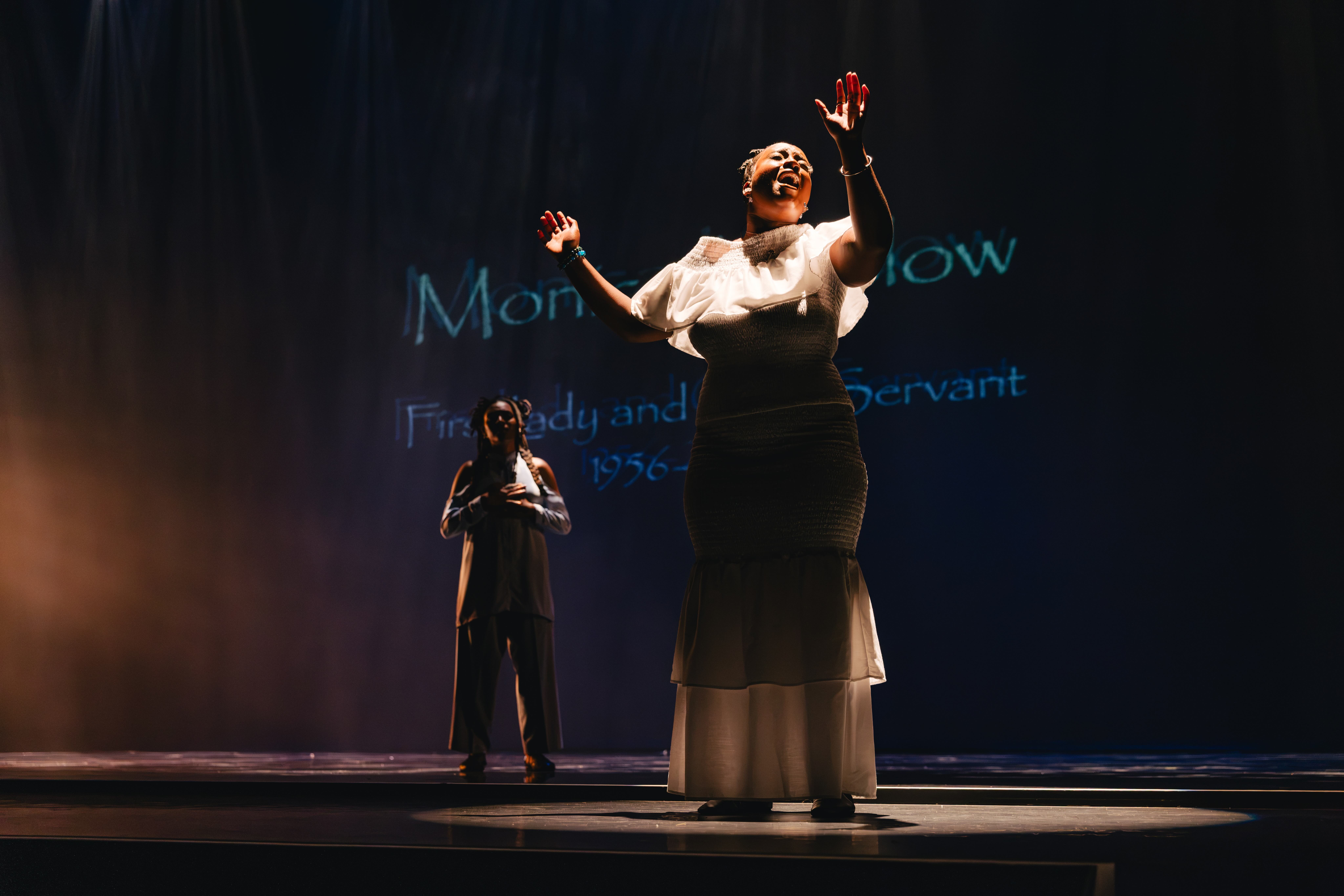
Throughout the evening, the dancers seemed to reach backward and forward at once. African traditions could sit beside ballet, tap could converse with Chicago footwork and music born in one generation could find new expression in another. In doing so, the production wove pieces of Black Chicago and the broader Black diaspora into a culmination of song and dance that felt both deeply historical and completely alive.
By the end of the evening, even the word “archive” felt different. It was no longer simply a place where photographs, recordings and documents are stored. An archive could be an elder teaching a younger artist, a dancer carrying an old rhythm into a new body, a singer standing beneath one light calling memory into the room, or two young women sitting beside me receiving pieces of a history they may someday carry in ways of their own.
That was the beauty of what the Chicago Black Dance Legacy Project created. Dancing the Archive did not simply tell us that Black history is alive. It allowed us to see it move, hear it breathe and, for a few hours, feel ourselves inside of it.
For those who missed this year’s performance, keep an eye on what the Chicago Black Dance Legacy Project does next. Whether you consider yourself a dance lover or simply someone who appreciates Black history, music, art and the people who have shaped Chicago, this is one cultural experience worth putting on the calendar.