

On Chicagos South Side, the story of Black hospitality is being rewritten not through rivalry, but through collaboration.
Inside The Soul Food Lounge, owner Quentin Love moves through his space with a quiet certainty, the kind that only comes from decades of evolution. For him, restaurants are not just businesses; they are cultural anchors, economic engines, and gathering places where identity and experience meet.
Anytime you create a destination, Love says, you bring value back to the community.
That philosophy sits at the heart of a broader movement unfolding across the city a new generation of Black restaurateurs elevating presentation, service, and ownership while working to bring unity back into Chicagos culinary landscape.
From Survival to Experience
Loves vision did not begin with aesthetics or upscale plating. It began with memory.
He recalls a time when Black business corridors thrived when families could dine, shop, and spend entire evenings within their own neighborhoods. Those experiences faded as investment left and communities were pushed toward quick-service models that prioritized speed over atmosphere.
Today, he is part of a collective shift to restore what was lost.
Restaurants like Oooh Wee It Is, led by owner Mark Waller, demonstrated early that soulful cuisine could live inside elevated spaces without sacrificing authenticity. Entrepreneurs such as James Sanders, owner of Sanders BBQ & Supply Co., have drawn national attention by blending refined design with barbecue culture a visual statement that Black dining belongs in high-end conversations.
And innovators like Andre Williams, owner of S2, continue redefining how neighborhood restaurants look and feel, challenging outdated expectations of what South Side hospitality should be. For Love, these names represent more than peers they represent proof that Chicagos culinary culture is evolving.
I don't see competition, he says. I see growth. Iron sharpens iron.
The Power of Collaboration
Across Chicago, Black-owned restaurants are investing in sophisticated interiors, curated menus, and immersive dining experiences not to imitate mainstream standards, but to redefine them.
The movement reflects a collective maturity. Instead of fighting for limited attention, restaurateurs are beginning to view success as shared progress.
Theres enough food and enough money for everybody, Love says. We should be congratulating each other.
That philosophy is already taking shape through collaborations. Plans are underway for a shared dining hall concept bringing multiple Black culinary brands together a project rooted in cooperation rather than competition. For Love, it signals a new chapter where restaurateurs support one another, exchange knowledge, and build infrastructure that can outlive individual businesses.
A Mission Larger Than Profit
Long before The Soul Food Lounge became a staple of Chicagos dining scene, Loves commitment to community was visible in quieter ways. Beginning in 2013, he launched weekly food initiatives that fed thousands a mission driven less by revenue and more by healing.
Everything I do is about helping humanity, he says.
That ethos shapes how he hires staff, mentors aspiring entrepreneurs, and invests in programs. For Love, success is measured not only by profit margins but by impact how many lives a business can influence beyond its doors.
His perspective challenges a common narrative surrounding Black entrepreneurship: that survival requires isolation. Instead, he argues that the future of Black business depends on collaboration, shared knowledge, and collective growth.
Redefining Black Hospitality
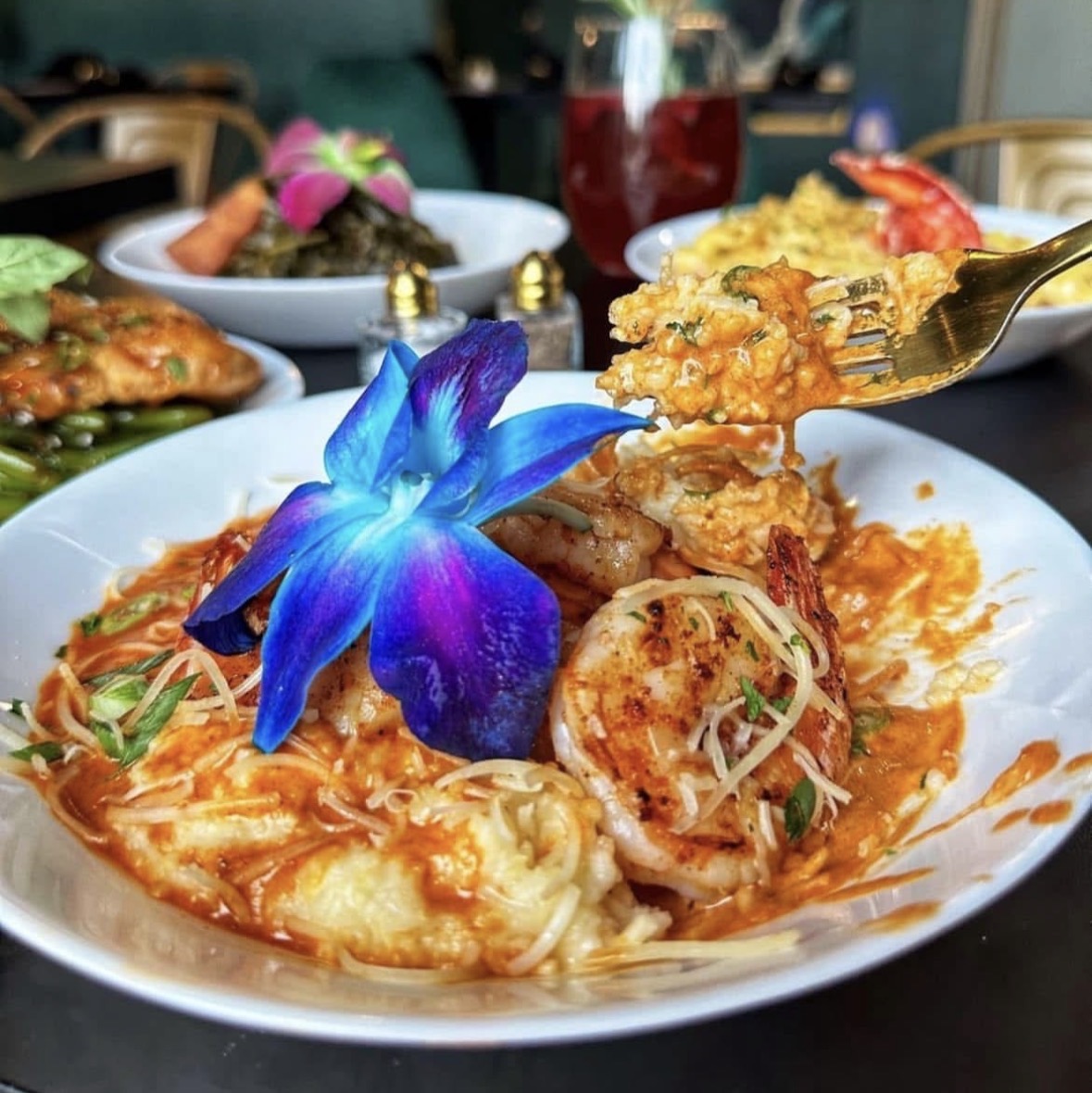
Chicagos current culinary renaissance reflects a deeper cultural shift. Where soul food was once expected to be served quickly and casually, todays restaurants embrace elegance gold utensils, modern plating, curated design symbols of pride rather than excess.
Love credits pioneers across the city for setting that standard. The rise of designers, chefs, and entrepreneurs working in parallel has raised expectations for everyone, forcing each concept to evolve.
You cant open up anything halfway anymore, he says. The bar has been raised.
But he insists that elevation should never come at the expense of authenticity. For him, the ultimate goal is not exclusivity it is accessibility paired with excellence.
Community as Legacy
As the interview winds down, Love reflects on what truly sustains a business.
A restaurant only exists because people walk through the door, he says. Without community, you dont have anything.
That belief underscores his broader vision for Chicagos future a network of Black-owned spaces working together to reinvest in neighborhoods, inspire younger entrepreneurs, and restore economic circulation within the culture.
My restaurants are more than businesses, he says. They are community.
In a city often defined by competition, Quentin Love and his peers are proving that unity may be the most powerful ingredient of all.