
Ryan O'Donnell owed Chicago $524.60 in parking tickets. The city towed his Toyota and sold it for its $273 scrap value. The sale did not clear his debt, and he received none of the money. Michael Goree owed nothing at all. The city took his Chevrolet because the co-signer on his car loan had unpaid tickets on a different vehicle, and his car went to the lender.
On Oct. 19, the U.S. Supreme Court declined to hear their challenge, leaving in place a ruling by the 7th U.S. Circuit Court of Appeals in Chicago. The appeals court had upheld the city's system as "an exercise of the City's police power to enforce its traffic code," which placed it outside the Constitution's Takings Clause, the rule that the government must pay when it takes private property.
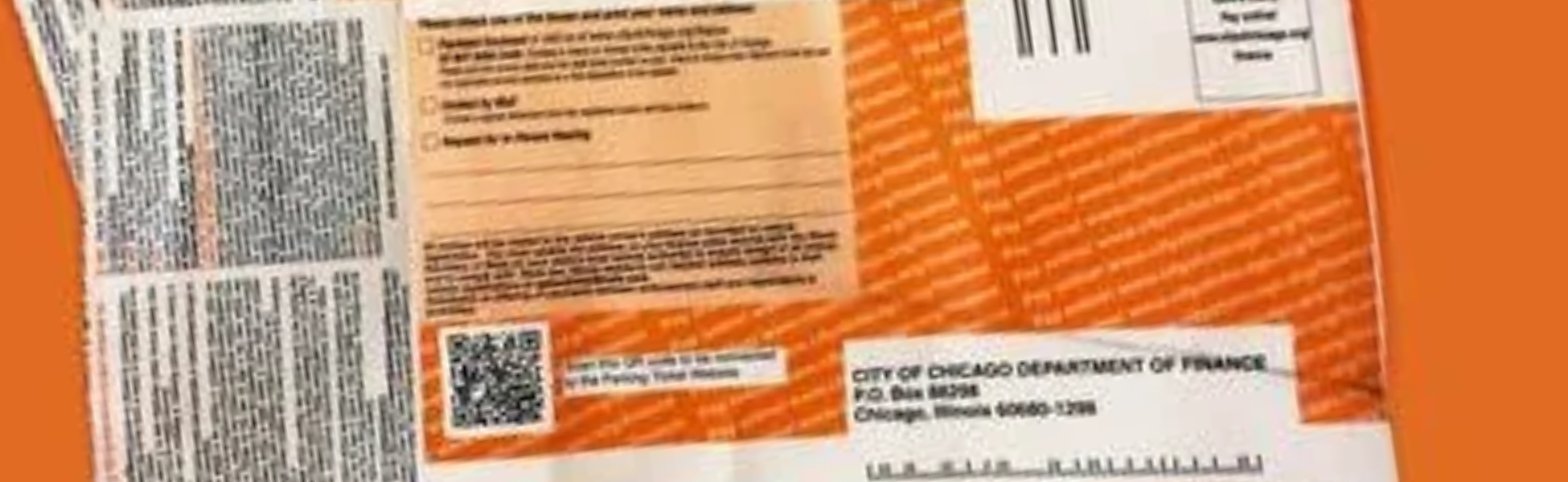
Under city code, Chicago can impound any vehicle belonging to a driver with three unpaid parking tickets, or two in one year. If the owner cannot pay the tickets plus towing and storage fees, the city can sell the car. It has "no obligation to pay compensation" or "offset the unpaid ticket debt" when it does, Justice Sonia Sotomayor wrote in a statement joined by Justice Neil Gorsuch. WBEZ found in 2019 that Chicago had sold nearly 50,000 cars over tickets since 2011, often for a few hundred dollars or less. The vast majority of towed cars came from low-income and minority neighborhoods on the South and West Sides.
The men's lawyers pointed to a 2023 Supreme Court decision, Tyler v. Hennepin County, which held that when a government sells a house to collect unpaid property taxes, it cannot keep the surplus. "Taking property worth vastly more than the fines and penalties exceeds any interest in enforcing the City's parking and traffic laws," they wrote. They called the result "devastating and counterproductive" and argued that the city's "aggressive ticketing and tow practices" are a reason Chicago leads the nation in bankruptcy filings.
Sotomayor wrote that she has "serious concerns" about the 7th Circuit's ruling. If the scheme's real purpose is collecting debt, she wrote, Tyler "would seem to control," and the city's failure to compensate owners "would likely violate the Takings Clause." She called Chicago's system "vast and lucrative," citing $264 million in ticket revenue in 2016, about 7% of the city's operating budget. Still, she agreed with turning the case away. Lower courts are divided on the question, she wrote, and "this case is not the best vehicle to resolve the split." The court also declined similar challenges from South Bend and Los Angeles.
The city argued that the men brought only a broad challenge to the law, not one based on their own facts. It said it offers installment plans starting at $25 a month for drivers facing hardship, along with a claims process through the city clerk. Its lawyers also said impounded cars are often in such poor condition that their sale does not cover the city's costs.
For Chicago drivers, nothing changes for now. Three unpaid tickets, or two in a year, can still cost a car, and the sale still does not erase the debt. Two justices have signaled interest in the question if a better case reaches them. Until one arrives, the 7th Circuit's ruling governs here.