

I've been using ChatGPT (Artificial Intelligence) almost since its inception. And what I know is Artificial Intelligence is no longer something reserved for Silicon Valley, technology companies, or science fiction movies. It is already shaping the way businesses hire, how organizations communicate, how grants are written, how customer service operates, and even how decisions are made behind the scenes.
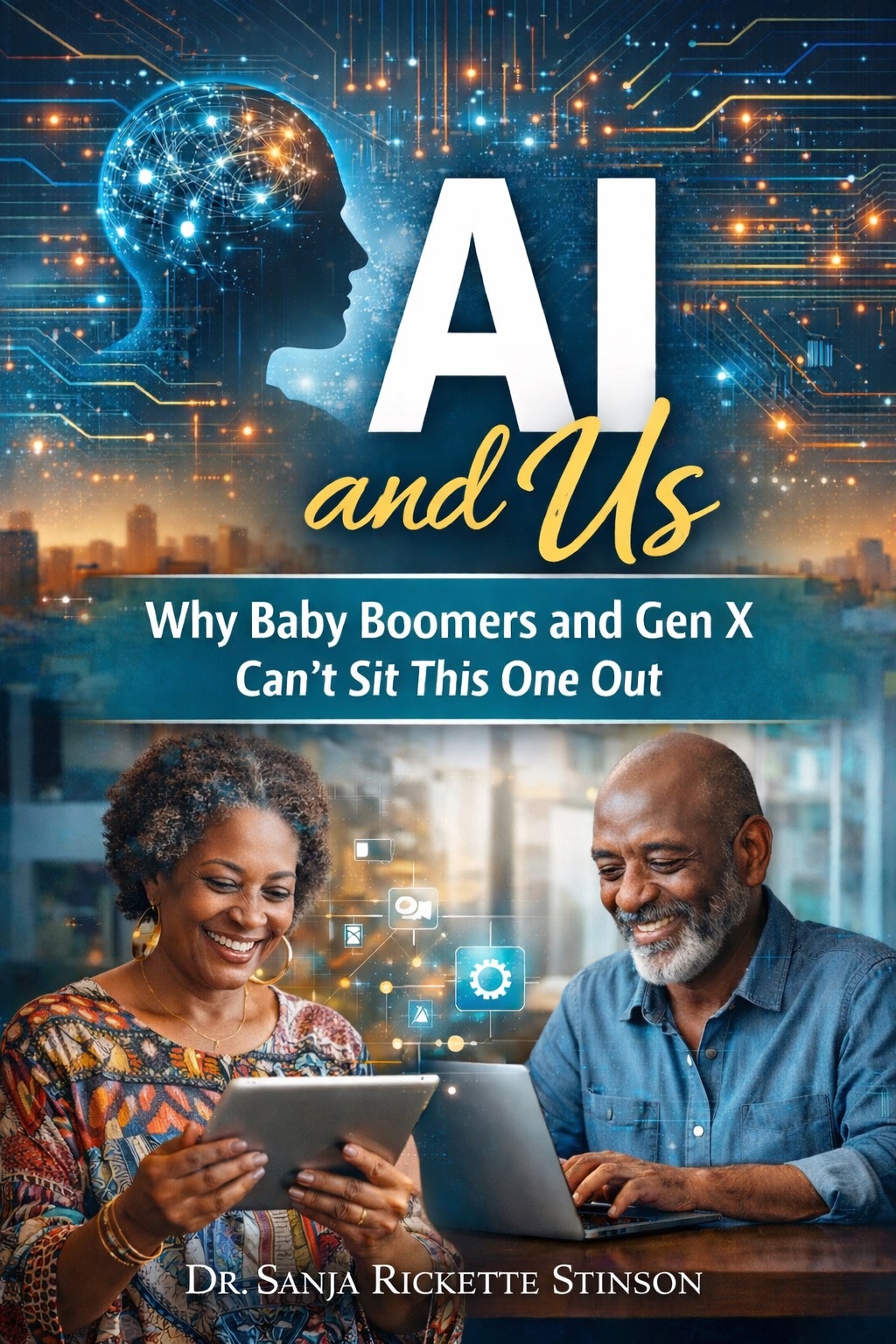
But while many conversations around AI focus on innovation and opportunity, there is another conversation quietly unfolding that deserves our attention. That is not everyone is entering the AI era from the same starting point. And that may become one of the greatest divides of our generation.
In this business article, I want to explore just a bit the hidden AI divide nobody is talking about and why this conversation matters right now. As Artificial Intelligence rapidly becomes part of everyday business operations, many organizations, entrepreneurs, nonprofits, and communities are quietly being separated into two groups those learning how to adapt and those at risk of being left behind
The real AI divide is not simply about who has the newest technology. It is about who understands how to use it, who has access to learning it, and who may unintentionally be left behind while the world rapidly moves forward.
Small businesses are trying to figure out how to compete with larger companies already using AI-powered systems. Nonprofits are navigating tighter budgets while being expected to do more with less. Mature adults and seniors are often told AI is too technical, even though many have decades of leadership, wisdom, and life experience that technology itself cannot replace.
Meanwhile, many communities are still struggling with digital access, training opportunities, and the confidence needed to engage with tools they barely understand. In my opinion, that should concern all of us.
Because AI is quickly becoming the new digital literacy weather we want to accept it or not.
Years ago, people who did not learn email or basic computer skills found themselves disconnected from opportunities. Today, we are standing at a similar crossroads with Artificial Intelligence. The difference is that this transition is happening much faster.
The challenge is not simply teaching people how to use AI tools. The deeper challenge is helping people understand how to use them responsibly, ethically, and without losing the human element that matters most. AI can help draft content, organize information, analyze patterns, and automate tasks. But it cannot replace compassion, emotional intelligence, discernment, lived experience, creativity, human connection, or the grace-filled wisdom that comes through the Holy Spirit.Those qualities still belong to us.
That is why this conversation matters so deeply for women, faith leaders, nonprofits, entrepreneurs, educators, and underserved communities. If we fail to intentionally include people in this shift, the technology gap may quietly become an economic and social gap as well. And perhaps the greatest irony of all is this: Some of the people who believe they are behind may actually possess the very skills AI can never duplicate wisdom, resilience, adaptability, empathy, and the ability to lead through uncertainty.
The future should not belong only to those with the fastest software.
I believe and content that the future should not only belong to those with the fastest software, it should also belong to those who know how to lead with humanity. As AI continues to reshape the future of business and everyday life, my passion in this next chapter as an AI Certified Strategist is helping individuals, nonprofits, and small businesses navigate technology with confidence, clarity, and a human-centered approach ensuring people are not left behind while innovation moves forward.
Because in the end, the greatest competitive advantage may not be artificial intelligence at all. It may be human intelligence used wisely. And maybe the question is no longer whether AI is coming.
The real question is: Who are we helping prepare for it?
In the coming weeks, I look forward to sharing more conversations around Artificial Intelligence, human-centered leadership, and how individuals, nonprofits, and small businesses can prepare for the future without losing the human touch that matters most.
If this conversation sparked your curiosity about AI, leadership, or the future of human-centered technology, perhaps its time we start learning together.
