
The reality is that Artificial Intelligence is everywhere, and it is becoming increasingly difficult to have a conversation without someone mentioning AI.
Open LinkedIn, attend a conference, join a webinar, or spend five minutes scrolling social media, and you will quickly find someone talking about AI agents. They are being described as the future of work. We are told they can answer emails, schedule appointments, manage projects, analyze data, follow up with customers, and automate countless tasks that consume our time.
And to be fair, much of that excitement is justified. Before we go any further, let me be clear: I am not against AI agents.
In fact, I believe AI agents are one of the most exciting developments in artificial intelligence today. Their potential to increase productivity, reduce administrative burdens, and help organizations operate more efficiently is remarkable. I believe nonprofits, small businesses, entrepreneurs, and faith-based organizations can benefit tremendously from these technologies.
The issue is not whether AI agents are valuable. The real question is whether organizations are ready for them. As I have engaged leaders across multiple sectors, I have noticed a pattern emerging. The conversation often begins with a statement like, "We need an AI agent," or "Can AI automate this process for us?"
As an AI-Certified Strategist and Trainer, my response is usually not to recommend a tool immediately. Instead, I begin asking questions. What do you want the AI agent to accomplish? What problem are you trying to solve? How does the process work today? Who is responsible for each step? Where does information currently live? And what outcome are you hoping to achieve?
While these questions may seem simple, they often reveal something much bigger than a technology challenge. They reveal a readiness challenge. That is why I often ask what may be the most important question of all. Is your organization actually ready for automation?
That question reveals what I call the AI Readiness Gap, which is the distance between an organizations excitement about artificial intelligence and its actual preparedness to implement it successfully. And the reality is that many organizations are eager to embrace AI, but they have not yet built the foundation necessary to support it.
Consequently, the foundation is not technologyit is workflow preparedness. In my opinion, this is the first and most important step organizations must address before deploying AI agents.
The reality is that AI does not create organizational clarityit amplifies what already exists. If your processes are clear, AI can make them faster. If your communication is organized, AI can make it more efficient. If your systems are functioning well, AI can help them scale.
However, if your workflow is inconsistent, your information is scattered, and your processes are undocumented, AI will not magically solve those problems. In many cases, it will simply help confusion move faster.
Let me give you a simple example. Imagine an organization wants to use an AI agent to manage client follow-up. On the surface, that sounds helpful. But what happens if the organization does not have a clear follow-up process?
One person responds by email, another sends a text message, someone else keeps notes in a spreadsheet, while another team member relies on memory. Some inquiries receive a response the same day, while others fall through the cracks. In that situation, the AI agent is not the problem. The problem is that the workflow has never been clearly defined.
Now, lets imagine the same organization has taken the time to create a clear workflow.
A new inquiry arrives through the website. The information is automatically captured in a central location. The AI agent sends an acknowledgment message within minutes. The inquiry is assigned to the appropriate team member. Follow-up reminders are generated automatically. Notes are stored in a consistent format. Leadership can easily see where each prospect is in the process and identify any bottlenecks. In this scenario, the AI agent is not creating the workflow is supporting and accelerating a workflow that already exists.
That is the difference. When organizations establish clear processes, defined responsibilities, organized information, and measurable outcomes, AI can become a powerful partner. It reduces repetitive tasks, improves consistency, and helps teams focus on higher-value work.
But without a defined workflow, automation often magnifies inefficiencies rather than solving them. The goal is not simply to add AI. The goal is to create a workflow that AI can successfully support.
The truth is that organizations should not rush to embrace AI agents simply because they are the latest trend. The temptation is to focus on building a team of AI agents, adopting the newest platforms, and pursuing the promise of automation without first ensuring the organization is truly prepared for it.
Again, I want to be clear: I am not against AI agents. In fact, I embrace them. However, their greatest value is realized when organizations have established the readiness, workflows, and processes necessary to support them effectively.
Therefore, the organizations that achieve the greatest success with AI will not necessarily be those with the most advanced technology. They will be the ones that have invested the time to build a strong foundation of readiness, workflow, and organizational clarity first.
AI agents are powerful. I believe they will continue to transform how we work, communicate, and serve our communities. But before we ask AI to automate our work, we must first understand the work itself. Consequently, the foundation is not technology; it is workflow preparedness, which, in my opinion, is one of the first and most critical steps organizations should take before implementing AI agents. In the end, AI readiness is not just about adopting new technology it is about creating the clarity, structure, and alignment necessary to use that technology wisely and effectively.
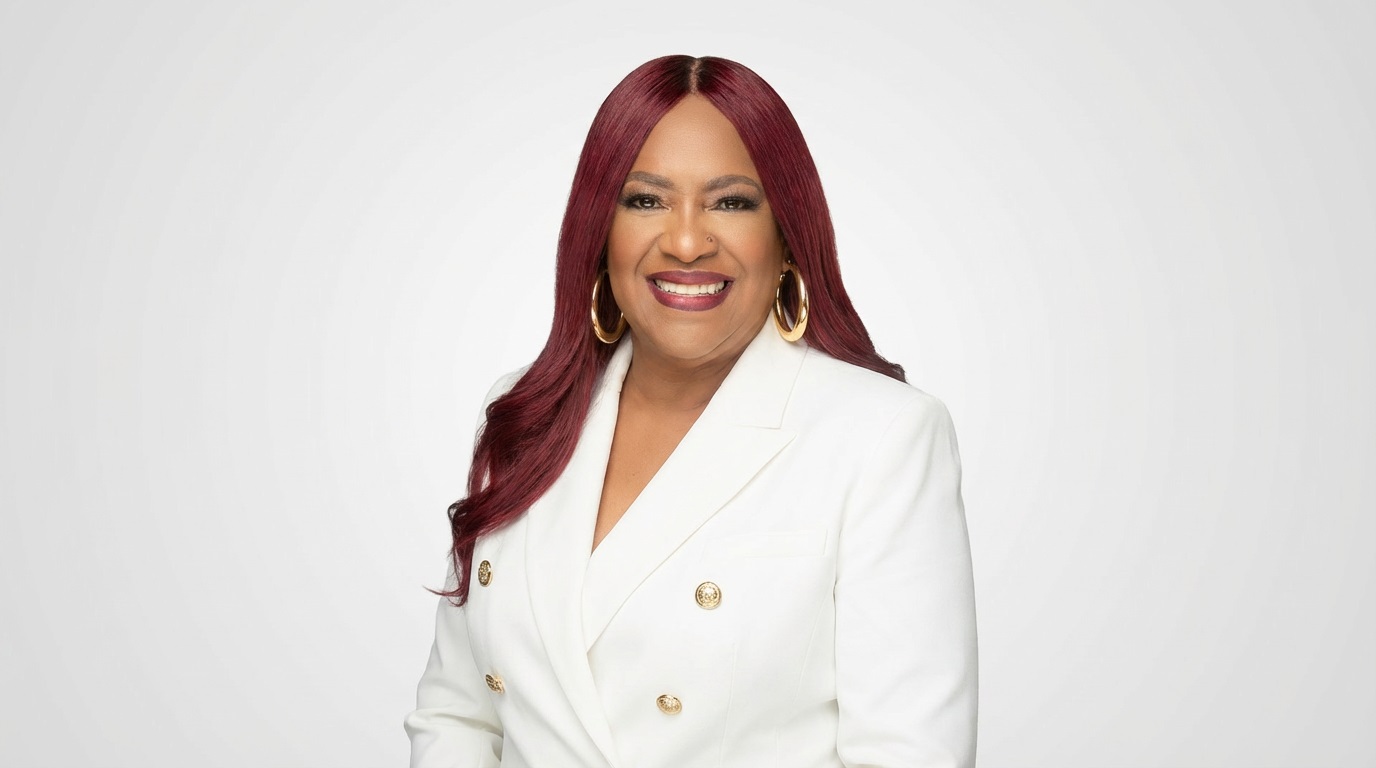
Dr. Sanja Rickette Stinson, D.Min., M.Ed. AI-Certified Strategist | Human-Centered AI Consultant Helping nonprofits, small businesses, and faith-based organizations prepare for responsible AI adoption.
