
Chicago spent the middle of October in shorts. On Oct. 12, forecasters expected a high of 85 degrees, a degree above the record for the date set in 2008 and more than 20 degrees above normal. By Friday the high was 58, and frost was possible Saturday morning. "We go from 85 Monday to 58 for a high on Friday," NBC 5 meteorologist Iisha Scott said.
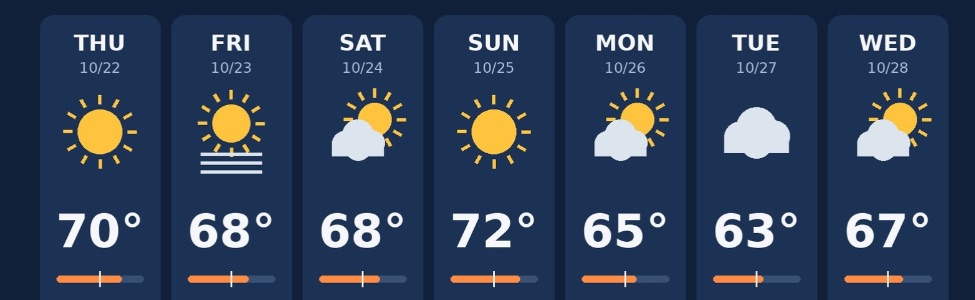
The warmth came back this week. FOX 32 forecast highs of 70 to 75 degrees from Wednesday on, against a normal Thursday high of 60, and said the warmer-than-normal pattern "could continue through the rest of October."
Over decades, the record points in one direction. Winter is the city's fastest-warming season, according to an analysis by the research group Climate Central. Average Chicago winter temperatures rose about 3.3 degrees between 1970 and 2022. "Winter warming is probably the most substantial trend that we can see over the last 100 years," Illinois state climatologist Trent Ford said in 2024.
That trend shows up on the lake. The Great Lakes average a peak ice cover of 40% to 45% in a typical winter. In February 2024, NOAA measured 7.4%. Ice on the lakes has declined about 5% per decade, said NOAA physical scientist Bryan Mroczka, and lake ice protects shorelines from winter erosion. The same winter, O'Hare recorded 18.5 inches of snow, about half its 38.4-inch average. Dartmouth researcher Alexander Gottlieb attributed the decline in snowfall to a mix of human-caused warming and natural variability such as El Niño, with rain increasingly falling where snow once did across the Midwest.
The changes reach backyards, too. In 2023, the U.S. Department of Agriculture's updated plant hardiness map moved Chicago into a warmer zone, shifting what gardeners can expect to survive the winter. Ford has warned that warmer winters are increasing tick and mosquito populations, raising the risk of tick-borne disease, and allowing plant and animal species from farther south to spread into native ecosystems.
None of this means Chicago winters are finished. Cold snaps, lake-effect snow and January wind chills will keep arriving. But the baseline those events are measured against keeps moving.
For this week, the forecast is simple: sun, highs in the low 70s and little cloud cover. Bring a jacket for Thursday night's game at Soldier Field anyway. October in Chicago can still turn in an hour.