

A new midwifery program opening at Kennedy-King College this week will put Chicago’s South Side at the center of a growing effort to expand who is trained to deliver babies and where families can receive maternal care.
The program is expected to become the 14th accredited direct-entry midwifery program in the United States, only the second housed within a community college system and, according to Black Midwifery Collective Executive Director Star August Ali, the first established within a predominantly Black urban community.
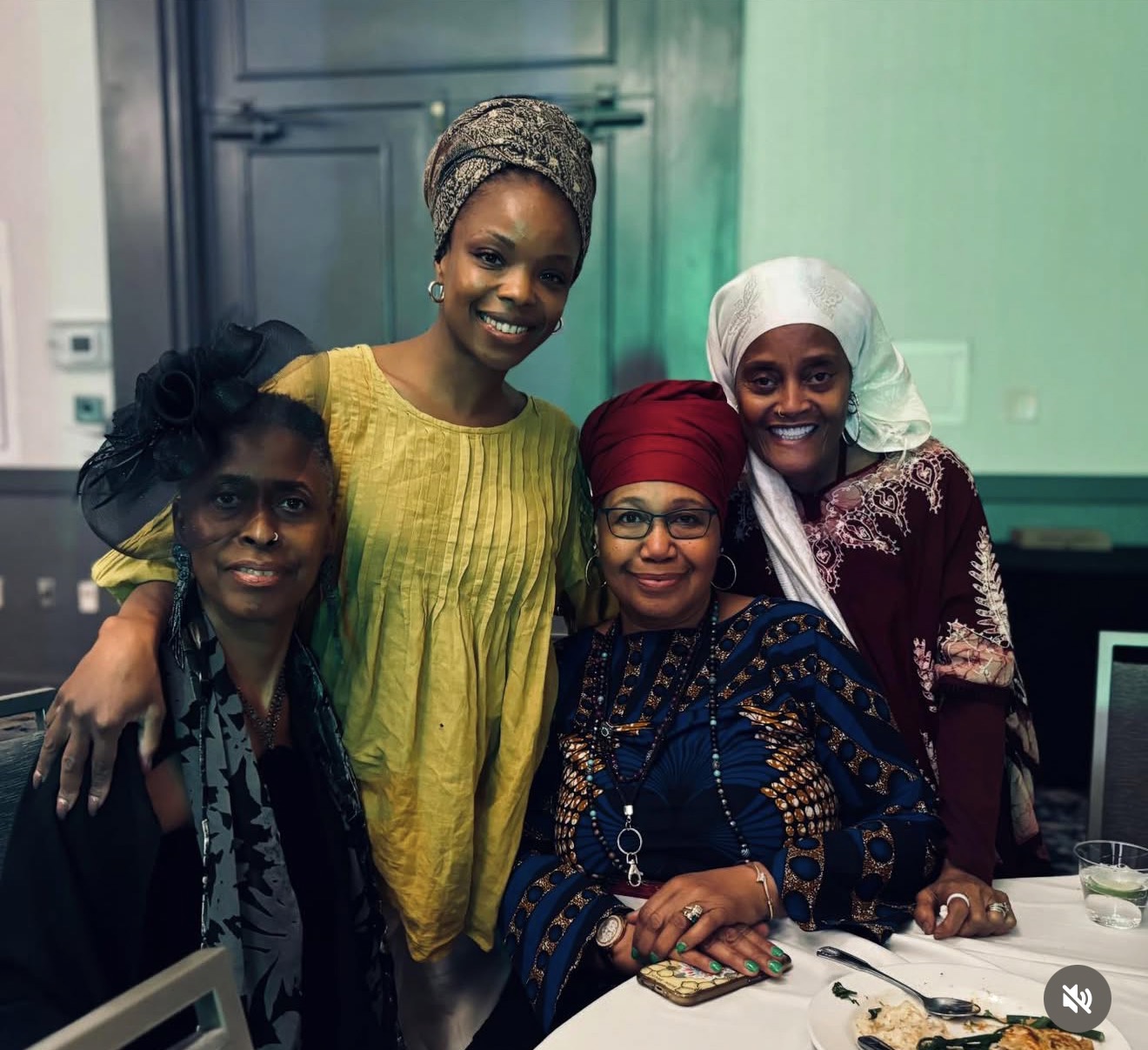
The opening will bring together elected officials and maternal health advocates, including Lt. Gov. Juliana Stratton, state Sen. Lakesia Collins, former state Rep. Mary Flowers and U.S. Rep. Robin Kelly, among others expected to attend. Ali credited Kennedy-King College leadership with helping turn years of advocacy into an educational program capable of training a new generation of midwives. “This has been five years in the making,” she said.
Those five years have included legislative battles, fights over Medicaid access and a larger effort to rebuild a profession Ali argues is desperately needed in Black communities. The South Side, she said, remains an obstetric desert, a concern reflected in Illinois’ own data. Between 2016 and 2023, the state lost 32 obstetric hospitals, representing a 27% net reduction in birthing facilities. Those closures were especially concentrated in Chicago’s southern half, where majority-Black neighborhoods are now served by just three of the city’s 16 birthing hospitals.
The outcomes are equally troubling. The Illinois Department of Public Health found that 91% of pregnancy-related deaths in 2021 and 2022 were potentially preventable, while Black women were more than twice as likely as White women to die from pregnancy-related conditions. Ali estimates Illinois currently has only about 40 certified professional midwives, or CPMs, and just five or six Black CPMs available to serve families seeking culturally congruent care.
The Kennedy-King program is designed to begin changing that equation. Its inaugural cohort will be small, with approximately 15 to 20 slots as the program develops clinical sites and a larger base of practicing midwives capable of training students. The interest, however, is already much larger. Ali said roughly 300 prospective students have expressed interest, including people with advanced degrees and others who have relocated to Chicago hoping to enter the program.
For Ali, that demand represents something she has seen for years: women searching for another option. She understands that search personally.
When Ali became pregnant with her third child, she made the decision to give birth at home without a midwife present, with only her husband beside her. Her first birth had ended in an emergency C-section after she was given Pitocin, an experience she described as traumatic. By her third pregnancy, distrust of the hospital system weighed heavily on her decision about where she would deliver.
“I wasn’t going to consciously walk into a hospital system, lay down, give them access to my womb,” Ali said. She chose an unassisted home birth, but does not describe that decision as the ideal. As a midwife herself, Ali said there are complications that require someone trained to recognize when the normal rhythm of birth has changed. “A skilled midwife should be in the room,” she said.
That contradiction sits near the center of Ali’s argument for expanding midwifery: women may want alternatives to hospital births, but those alternatives require a trained workforce. Unlike doulas, who provide nonmedical emotional and physical support, midwives are medical providers trained to provide prenatal, birth and postpartum care, including monitoring fetal heart tones and blood pressure, assessing fetal positioning and identifying when a mother or baby may require a higher level of care.
Ali’s path into that profession began after her first birth at 23. During a routine prenatal appointment, she was told her amniotic fluid was low, admitted to the hospital and given Pitocin. When her son’s heart rate dropped, she was rushed into an emergency C-section. Ali recalled feeling the procedure begin before she lost consciousness and later waking to see her son being resuscitated before he was taken to the NICU. “I walked out feeling very robbed, very traumatized and wanting answers,” she said.
Those answers led Ali first to doula work and eventually midwifery. After moving to Illinois, she enrolled in a Wisconsin midwifery program, but CPMs were not yet legally permitted to practice community-based birth in Illinois. Ali said she ultimately spent three years training underground with an Illinois preceptor while raising four young children, knowing the work could expose her to criminal charges.
The experience pushed her into policy. Ali fought to ensure Medicaid access was part of the conversation, arguing that legalizing midwifery would mean little to many Black families if they could not afford to use it. She and her business partner used stimulus money to hire a lobbyist and pursue legislation, and Ali later became the first president of color in the Illinois Council of Certified Professional Midwives’ 40-year history. Within six months of her presidency, she said, legislation legalizing CPMs passed in 2021. Illinois began allowing midwives to apply for state licensure in 2025.
Now, Kennedy-King represents another piece of that work: creating a place on the South Side where future midwives can actually be trained and building a workforce capable of meeting women where they are.
“When we talk about system change, we should always be thinking in terms of system change,” Ali said. “Once we’re dead and gone, what are we setting up our babies to inherit?”
At Kennedy-King, that answer is beginning in the classroom.