

There is a distinct kind of joy that comes from watching someone you knew in their youth step fully into their power, mastering the currents of an industry where only the resilient survive. Sitting across from Dionne Williams in the CNW Network Studio, catching up before our podcast interview, I was reminded of just how far back our shared orbit extends. Back in the day, I watched her as a young woman entering the vibrant ecosystem of media, public relations, and cultural commerce. Today, she is a titan in her own righta master publicist, strategic brand architect, and the visionary force behind the renowned Emerge Fashion Show.
Dionne carries herself with a quiet, unshakeable confidence. She is neither brash nor performative about her standing in a world defined by high-stakes visibility. Instead, her authority stems from a deep well of experience: a career spanning more than thirty years, evolving from managing boutique public relations for Chicagos small businesses and cultural icons to steering multi-million-dollar beauty brands, executing legendary concert riders, and reshaping how independent designers claim space on the global fashion calendar.
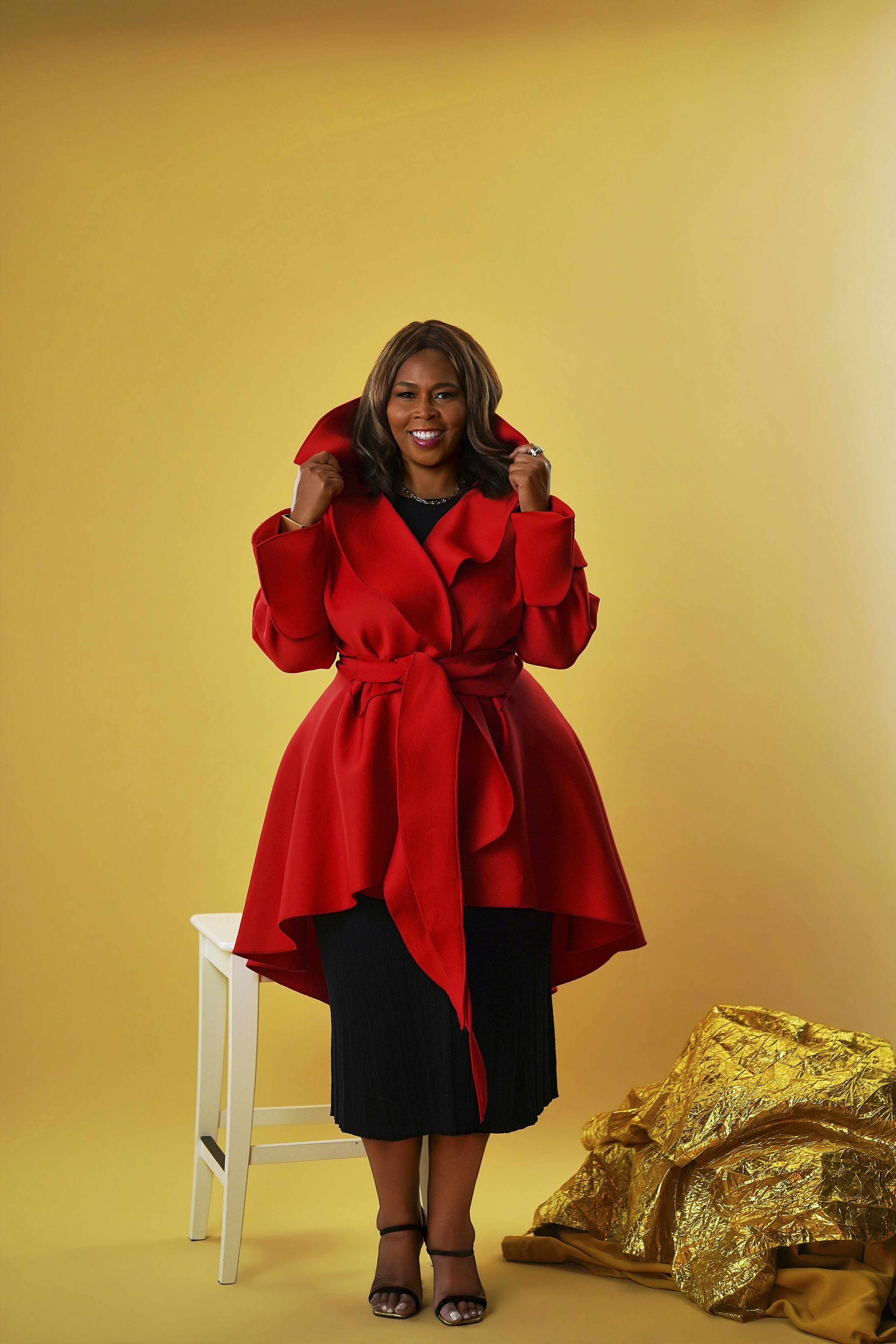
As we sat down to record, our conversation flowed effortlessly across decades of cultural historytouching on the golden age of Black beauty advertising in the 1990s, the art of working with demanding, legendary artists like Aretha Franklin, the paradigm shift of the digital age, and the monumental 15th year milestone of Emerge. Nope, I can't help but smile at the Founder and CEO of D. Williams PR Group.
Chapter 1: Foundations of Excellence From the South Suburbs to the Chicago Media Scene
To understand Dionne Williamss instinctive grasp of human psychology and public relations, you have to look at the intentional foundation laid during her formative years. Though she is intimately associated with the pulse of Chicago, Dionne grew up in a southside suburb, observing the city with wide-eyed admiration.
"Im not a Chicago girl originally; I grew up in suburbia," Dionne shares with a smile. "Growing up, my friends and I deeply admired the Chicago girls because of their style points from head to toe. Their hair was immaculate, they were dressed impeccably, they carried the right purses their presentation was noticeably different from our suburban style."
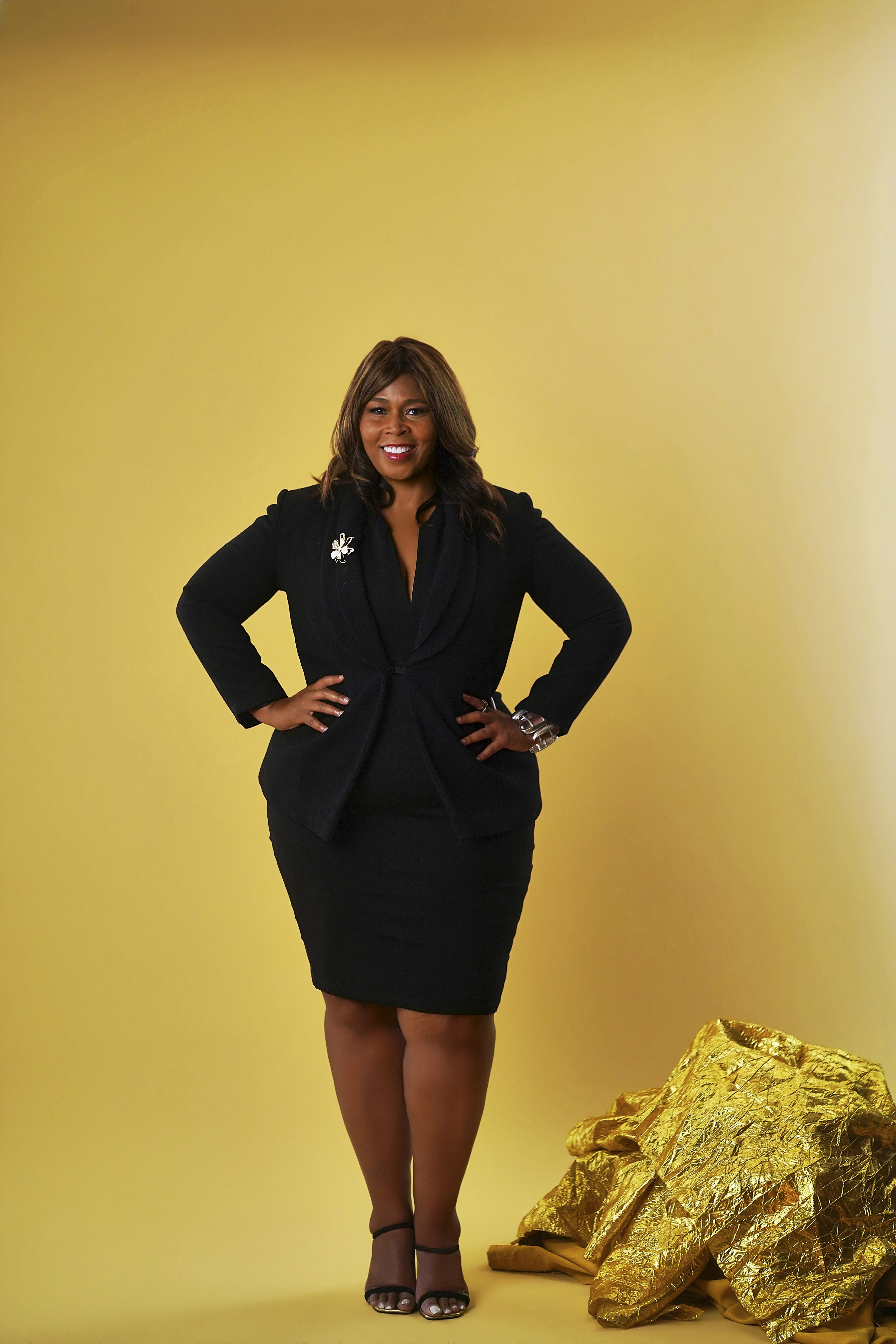
Recognizing her curiosity and potential, her father made it his mission to ensure she was exposed to the broader cultural and civic realities happening within the city limits rather than remaining insulated in suburban comfort. This exposure planted the seeds for an extraordinary career trajectory. She attended Polaris in Oak Lawn, an experimental, alternative high school that encouraged independent thinking and real-world engagement.
Her entry into professional spaces began with high-level baptisms by fire. Her first major internships were with Operation PUSH under the legendary Reverend Willie Barrow, and Stephen Grahams Athletes Against Drugs. These early experiences instilled a rigorous sense of discipline. She soon found herself at NBC working alongside Dolores MeBain, former director of station relations for NBC 5, and serving as an intern for broadcasting stalwart Art Norman.
"They instilled the practice of professionalism in my repertoire of etiquette that is essential if you want to excel and go to the top," Dionne reflects. "You may do well for a moment, but if you lack professional ethics, it will be your downfall. Your lack of professionalism will catch up with you, and clients will dwindle without you ever knowing why."
This foundational training taught her a four-step framework that she still enforces with her own staff and interns today:
Know the end goal. Clear vision is non-negotiable.
Identify the requirements. Understand precisely what knowledge and actions are needed to accomplish that goal.
Create a meticulous plan. Strategy bridges the gap between vision and execution.
Execute flawlessly. Leave nothing to chance.
Chapter 2: The Burrell Blueprint and the Golden Era of Black Beauty
As Dionne transitioned into independent public relations and event production in Chicago during the 1990s, her early roster included trailblazers like fashion designer Barbara Bates. Working alongside the giants of the Baby Boomer generation who set the benchmark for excellence, Dionne absorbed the nuances of high-level business execution.
Her big breakthrough came when she was brought into the orbit of Burrell Advertising Agency, one of the most influential Black-owned advertising powerhouses in history. Burrell brought her on board to execute branding for a rapidly scaling beauty product line.
"That was the beginning of my love affair with brand work," Dionne notes. "I literally fell in love with branding, especially in the beauty world. It was the 1990s, and understanding different demographics, different generations, how those generations speak, how you speak to them, how they purchase, and what resonates with them was more important than ever."
It was a historic high point for Black beauty products. Brands were literally flying off retail shelves and beaming into living rooms via television commercials on Soul Train, print advertisements in Ebony, Jet, Black Enterprise, Emerge, Essence, and Upscale. It was an era of unprecedented economic awakening, and Dionne was in the room, observing firsthand how advertising began to authentically embrace Black beauty and lifestyle.
When Burrell's roster became too full to manage the explosive, day-to-day growth of a specific beauty client, the agency executed a graceful handoff, recommending Dionne to assume full ownership of the account. It was a pivotal moment that permanently elevated her career trajectory. "For which I am still grateful," says Dionne.
Chapter 3: Cultural Architecture and the Historical Tide of Black Wealth
The explosion of Black beauty and marketing in the late 20th century did not happen in a vacuum. It was fueled by the rise of the Baby Boomer generation, who emerged as the largest cohort of college graduates and professionals following the legislative victories of the Civil Rights movement.
This era witnessed a rapid closing of the economic divide. The worlds of sports, music, and film shattered traditional financial ceilings. Trailblazers like Moses Malone (1974), Dave Parker (1978), and Johnny Jones (1980) broke the million-dollar barrier in professional sports, while figures like Curt Flood and Michael Jordan revolutionized legal and endorsement structures to secure multi-million-dollar futures for generations of athletes. Corporate suites, recording studios, and Hollywood production offices saw Black professionals accumulating real generational wealth, radically shifting purchasing power and market influence.
However, the elite, closed-door world of high fashion historically held its cards much closer to the chest. While Black individuals had always driven fashion culture, mainstream institutional acknowledgment was rare. Dionne frequently highlights the foundational giants who cracked open those heavy doors:
Anne Lowe: America's first Black high-fashion couturier, who famously designed Jacqueline Bouviers iconic 1953 wedding dress for her marriage to John F. Kennedy.
Zelda Wynn Valdes: Opened her legendary boutique on Broadway in New York in 1948, dressing Black royalty and was famously commissioned by Hugh Hefner to design the original Playboy Bunny costume.
Stephen Burrows: Stole the show at the historic 1973 Battle of Versailles Fashion Show, establishing Black design genius on an international stage.
Willie Smith: Co-founded the groundbreaking modern streetwear label WilliWear in 1976.
Patrick Kelly: Broke massive international barriers by becoming the first American and the first Black designer elected to France's prestigious Chambre Syndicale du Prêt-à-Porter.
As we talked about the list of 'firsts, we noted their invaluable importance, noting that they represent the front line that laid the groundwork and opened doors so that a Dionne Williams could come along and do what she does.
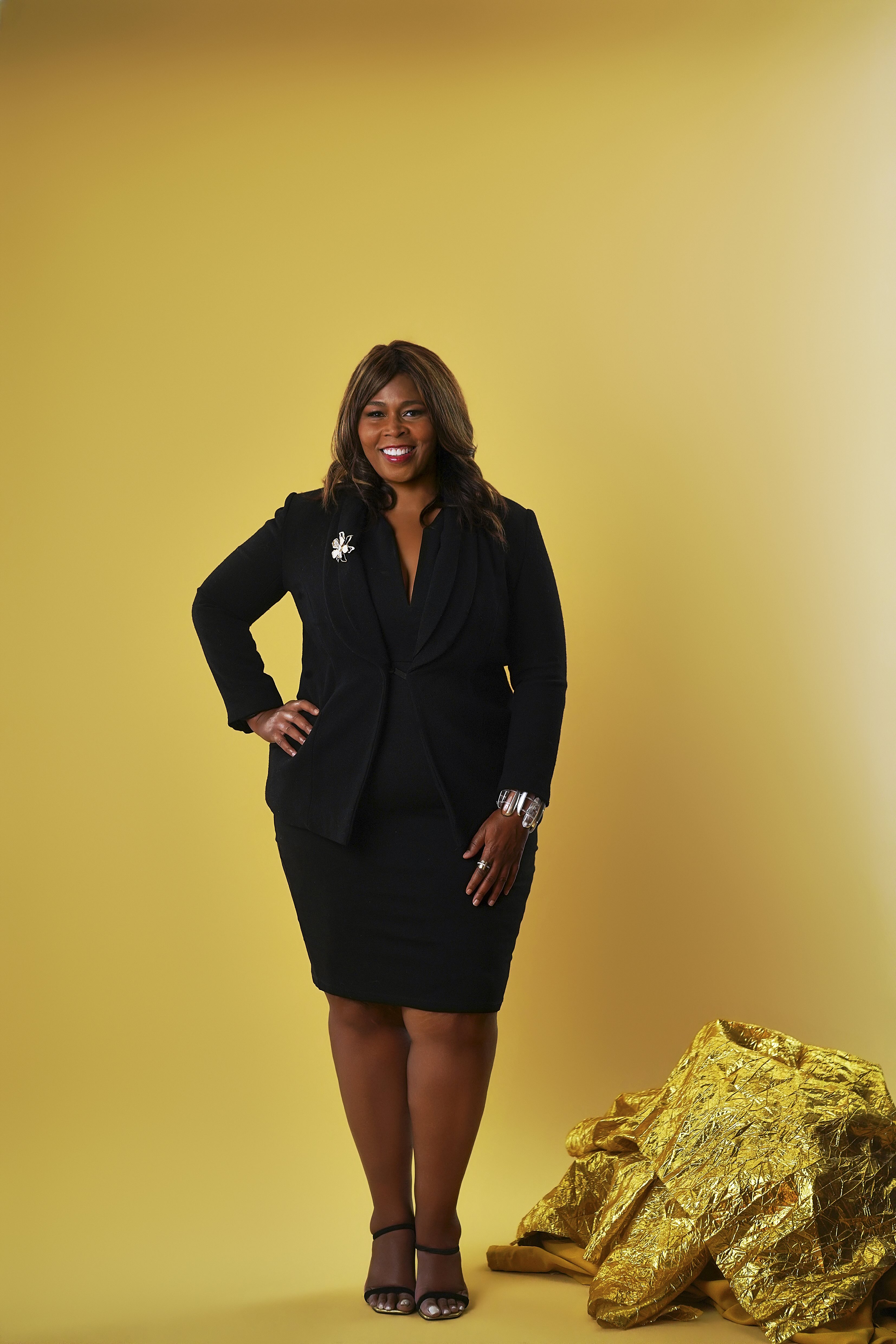
Chapter 4: Navigating Legends Tales from the Frontlines of Celebrity PR
Running high-profile public relations and event production means mastering the art of crisis management, diplomacy, and navigating legendary eccentricities. Over the years in her career, Dionne has produced events and managed PR for an elite roster of artists, including Babyface, Fantasia, Seal, Frankie Beverly & Maze, The Three Tenors, and historical productions like Julieanna Richardsons History Makers documentary of Berry Gordy. "That experience really touched me," says Dionne.
Yet, few stories match her experiences working with the Queen of Soul herself, Aretha Franklin. who was the star performer for a client's gala that Dionne's company was overseeing. Aretha required absolute precision, unyielding respect, and an acute understanding of old-school professionalism.
"Aretha Franklin, to the average person, seemed difficult," Dionne recalls with a knowing smile. "The venue was the Erie Crown Theater, and she had very specific requirements. First, she did not want the air conditioning on. It was June in Chicago, and it was sweltering. Ms. Franklin was on stage going through her preparation rudiments and realized the air was running. Without hesitation, she stopped and said, 'If y'all don't turn off that air, this concert is off.'
Second, she had to have Lems Barbecue. That wasn't on any standard rider; we learned about it the day of the event. It didnt matter; I had to deliver it immediately. Just like being paid in cash and having it in her direct line of sight while on stage at all times. Things like that were absolute deal breakers. But once we learned what she took seriously, we delivered. You had to respect that. She came out of an era where people paid in checks, and they bounced. She was old school, and we respected her craft."
Whether handling technical lighting riders that cost small fortunes or ensuring an artists exact preference for black towels was met, Dionnes golden rule for her team remains absolute: "You never say no to a client. Nothing is impossible".

Chapter 5: The Pandemic Pivot and the Rise of the Influencer Economy
When the COVID-19 pandemic swept across the globe, it brought traditional live events to a grinding halt. For publicists and event producers, survival demanded radical reinvention.
"The reduction in advertising dollars as a response to the pandemic naturally shifted us to our social platform presence," Dionne explains. "Suddenly, everything moved to digital because the moment demanded that people stay indoors, and digital formats made continuous communication possible. It was a natural shift."
Recognizing that many traditional clients had failed to integrate digital strategies or influencer marketing into their business models, Dionne seized the moment. She built dedicated influencer marketing frameworks within her agency, partnering digital creators with beauty, haircare, and skincare brands. Gen Z quickly recognized the power of these platforms, by the success of the Millennials and solidified their role in moving capital and negotiating substantial brand deals across the digital marketplace.
Once public life resumed, consumers were no longer satisfied with standard, cookie-cutter gatherings. The post-pandemic landscape required experiential marketing.
"There was no space for the usual," Dionne says. "We had to come up with ideas that left people asking, 'Yeah, what is that?' with genuine curiosity. Guests had to be made to feel uniquely special through highly curated experiences."
She pioneered immersive wellness events featuring professional speakers and yoga instructors, pairing physical engagement with guided discussions on holistic nutrition and lifestyle choices. These high-end, bespoke experiences command significant market value and demonstrate the evolution of modern public relations.
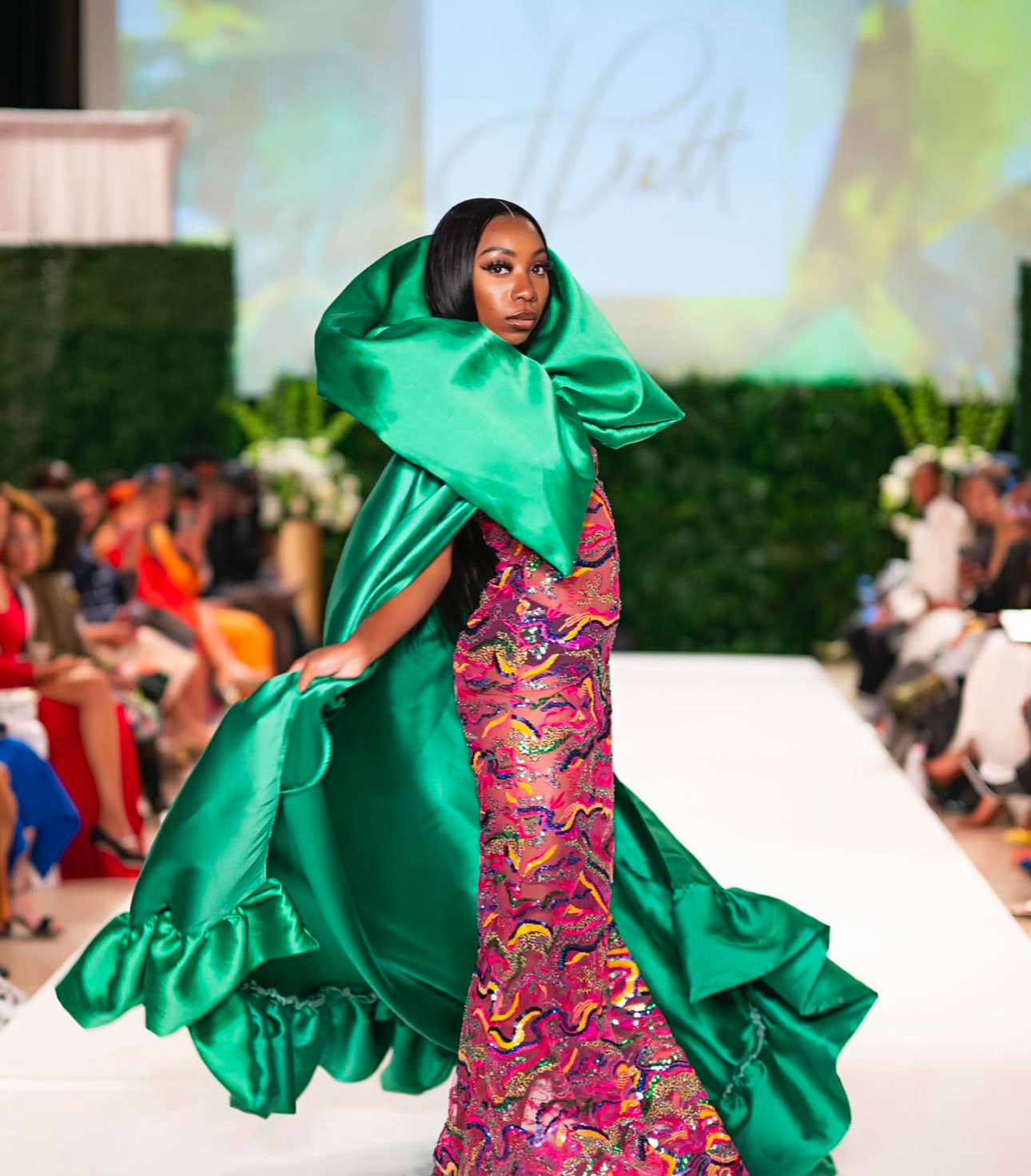
Chapter 6: Crafting Inclusion The Birth and Evolution of the Emerge Fashion Show
Perhaps Dionnes most enduring cultural contribution is the Emerge Fashion Show, which celebrates its 15th anniversary in September 2026.
The concept was born when her longtime friend and designer Terry Stevensknown for her vibrant, funky, and beautiful aestheticwas selected to compete on Project Runway. As Terry's plus-one for the show finale during New York Fashion Week under the official tenets managed by the CFDA and IMG, Dionne experienced the dazzling lights, high fashion, and exclusivity of New York's fashion epicenter.
After that Dionne paid closer attention to the world of fashion and noticed a critical gap: independent designers of immense talent were often relegated to substandard production quality. Drawing on her extensive PR and event-production background, Dionne decided to step in.
"I realized I can't let these shows drop. That's unacceptable," Dionne recalls. "So I decided to produce a show for Terry the next year. I made it a collective featuring about five other independent designers. But I infused it with Chicago-style hospitality and production excellence. To build immediate credibility and visibility, I instituted the Fashion Innovator Award to honor the trailblazers who paved the way."
Over the past decade and a half, Emerge has honored legends of the fashion and media industries, including:
Andre Leon Talley: (Former Vogue Editor-at-Large André Leon Talley, (he was also her first podcast guest, 'Emerge Design Talk', during the pandemic)
Audrey Smalls : (groundbreaking Essence and Ebony Fashion Fair producer)
Sergio Hudson: (Sergio Hudson Collections is a Women's ready-to-wear brand, designed by Creative Director Sergio Hudson and crafted entirely in the US)
Dapper Dan ( an American fashion designer and haberdasher from Harlem, NY frontrunner to the hip-hop style)
Pat Cleveland: (one of the first Black supermodels and one of the most influential runway models of the 1970s)
Beverly Johnson (the first Black model to grace the cover of Glamour magazine)
"Note that I was scared to death to ask Andre Leon Talley to join me on my podcast, but I did and he shared that he was a fan of Emerge.
But Beth Ann Hardison, who founded Bethann Management Agency, was our guest speaker two years ago. She told the folks publicly, I had to say yes, so she would just get off my back. It was so funny because she was right," Dionne says, 'I was so obsessed over her story; her appearance at the 1973 Battle of Versailles fashion show and their presence was a game changer in the fashion world.
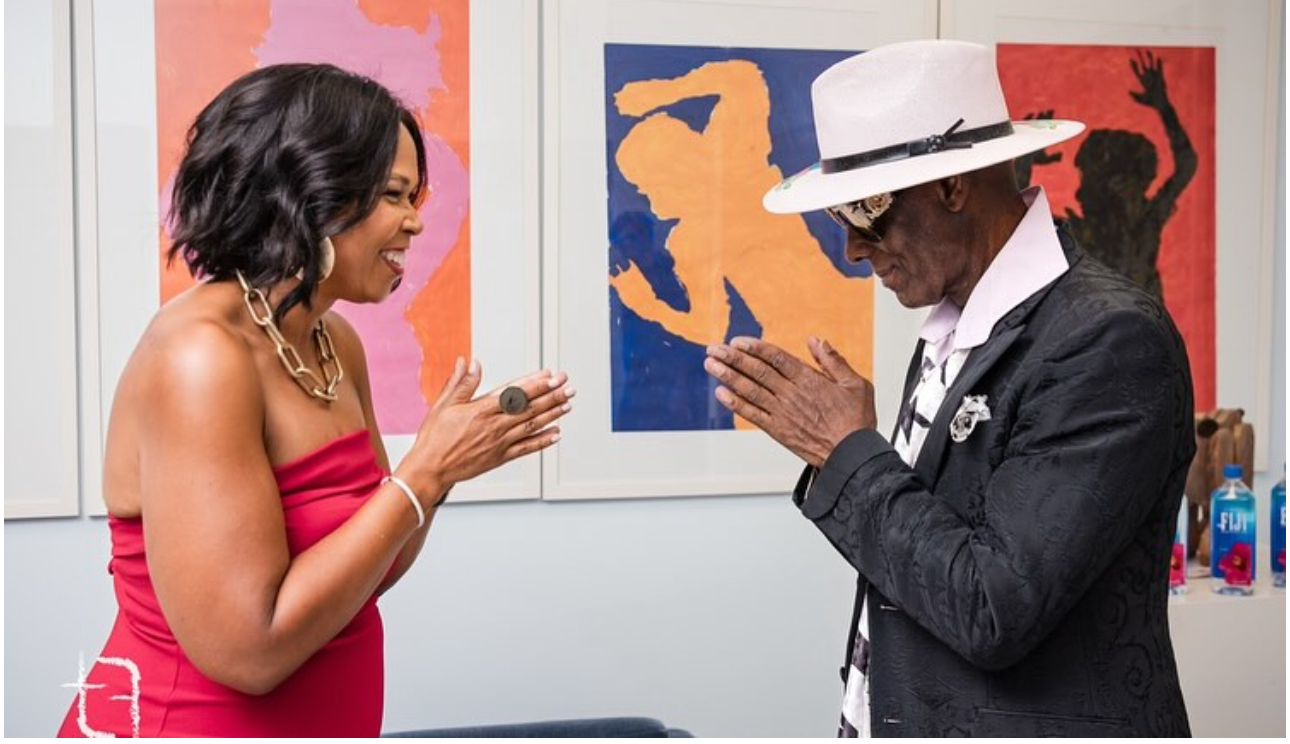
Bridging Cities: Chicago vs. New York
Reflecting on geographic dynamics, Dionne notes the distinct personality of each market. While Chicago remains a powerhouse of historical Black enterprisehome to The Chicago Defender, Ebony, Johnson Publishing Company, and Burrell Advertising, etc, its social and geographic lines can sometimes feel rigid and segregated.
"In New York, my show is in the Financial District, far away from the official tents, but it gives me the freedom to simply be myself and move fluidly," Dionne explains. "In Chicago, you have to be extraordinarily thoughtful about venue placement. If I want the Gold Coast crowd, they aren't traveling down to the South Loop. New York offers a wider, more open landscape for cross-pollination."
Emerge is top shelf and hires 100 models to be live mannequins to showcase the participating designers' wares. That fact knocked me off my stool. Dionne said, Yes, Kai, we have no time for hesitation, no lagging, the movement has to be flawless.
Check out the E-Edition Here
Chapter 7: Mentorship, Networking, and Looking Toward the Future
As Emerge prepares for its grand 15th-anniversary production on September 15, 2026, in New York, Dionnes vision continues to expand. The upcoming showcase will feature an all-star runway, an R&B artist debuting a new collection, and major industry honorees. Looking beyond New York, she is actively expanding the Emerge footprint into Miami during Art Basel and extending her reach to London to bridge connections with visionary African and Caribbean designers whose creative freedom remains unburdened by traditional Western framework restrictions.
Yet, despite her international success, Dionne remains deeply anchored in the principles of old-school mentorship and human connection. She expresses ongoing frustration with modern professional habits among younger generations entering the workforce.
"My number one pet peeve is the individual who says they came to learn the job, yet spends all their time reading and studying the job description rather than implementing actual work skills," Dionne states candidly. "You cant sit behind a computer screen all day and assume a company or supervisor is going to find you if they have no idea you exist. This work is deeply people-oriented."
Her advice to Gen Z interns and aspiring professionals is direct and actionable:
Get out from behind the screen. Step into the field and network in person.
Master the art of service. When introducing yourself, always ask: "What can I do to assist you?"
Create your own opportunities. People are not hunting you down; you must pitch your value, seize the moment, and follow through with relentless execution. you hav eto stand out.
Final Note
Listening to Dionne Williams recount her journey from a curious suburban teenager admiring Chicago's style icons to an internationally respected event producer and publisher partner is a masterclass in professional evolution. She has navigated the seismic shifts of the 1990s beauty boom, the digital pivot of the pandemic, and the elite corridors of fashion capitals without ever losing her core authenticity.
As Emerge marks its fifteenth year on September 15, 2026, Dionne stands not just as a producer of runway shows, but as an essential cultural architect. She has built tables where independent creators are seen, where veterans are honored, and where the next generation of style leadership is forged with grace, grit, and uncompromised excellence.
What specific strategies from Dionne Williams's three decades in public relations and brand building resonate most with your own professional journey or creative ventures? Write and tell us...

Visionary Kai EL´ Zabar has worked as CEO of arts organizations and as editor, writer and multimedia consultant accumulating a significant number of years in experience as an executive, journalist,publisher, public relations, media training, marketing, internal and external communications. Kai currently continues her life’s work as Editor-in-Chief Of Chicago News Weekly where she has resumed her column, “E NOTES.” She is ecstatic to be in the position to grace Chicago and the world with a publication that articulates the Black voice.